


Activist care weaving memory, knowledge, and mobility into protection
Human rights work demands courage, but courage alone cannot withstand the pressures defenders face today: criminalization, digital surveillance, burnout, exile, and the steady erosion of civic space.
What is activist care?
What ultimately sustains their work is something quieter and often undervalued: the capacity to care and to be cared for. Rather than a soft addition to activism, care is the infrastructure that makes activism durable.
Distinct from clinical intervention, activist care draws on community-based epistemologies, such as ritual, embodied practice, collective memory, and artistic expression, which are often deprioritized in the face of urgency. While therapeutic support remains essential in some instances, activist care recognizes that many defenders sustain themselves through collective, cultural, and relational practices rooted in feminist, Indigenous, and decolonial traditions.
Knowledge exchange retreat
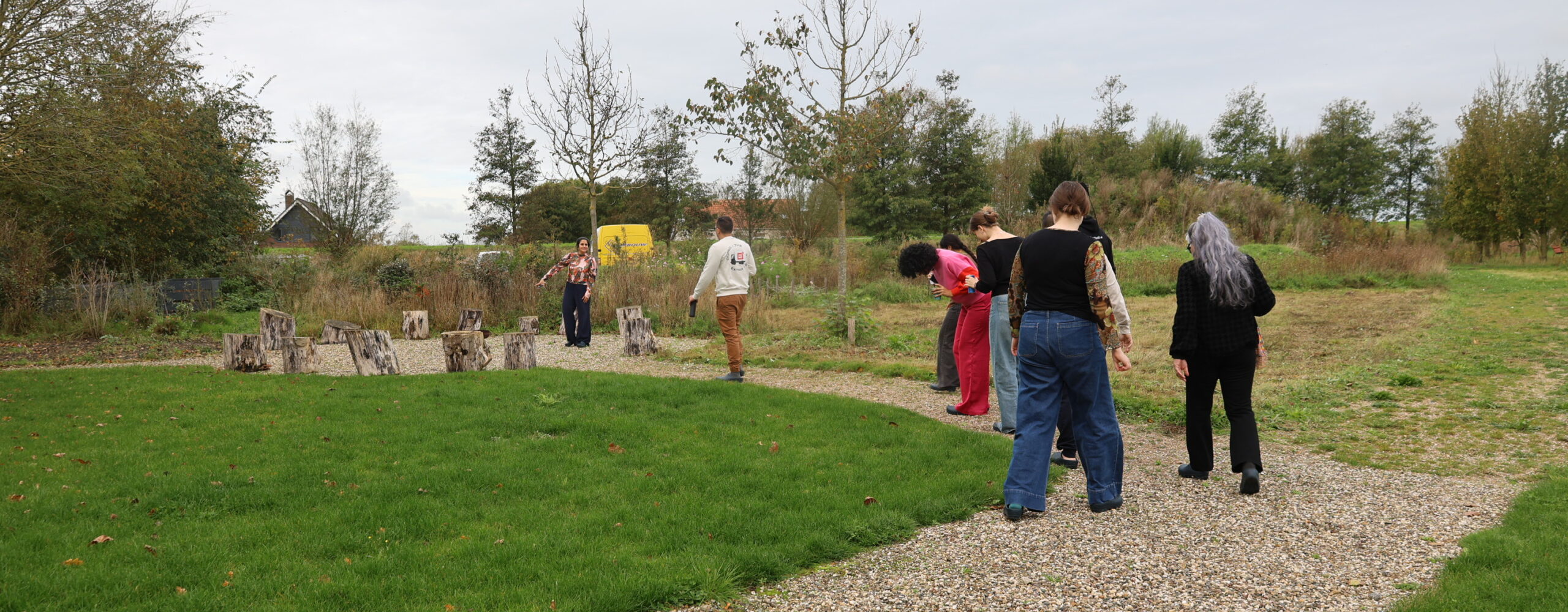
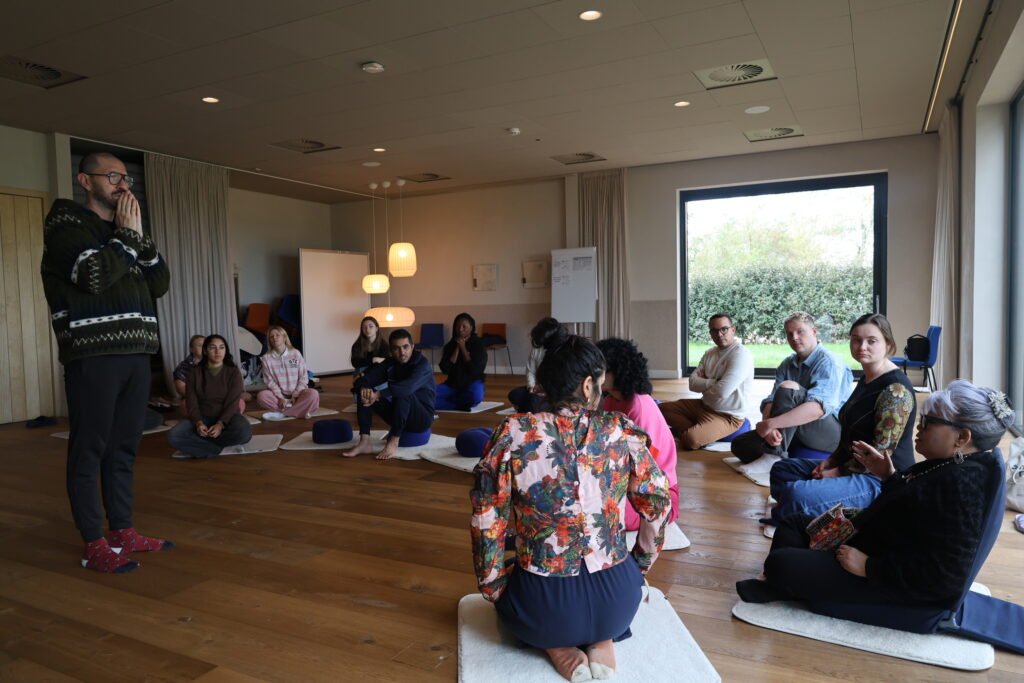
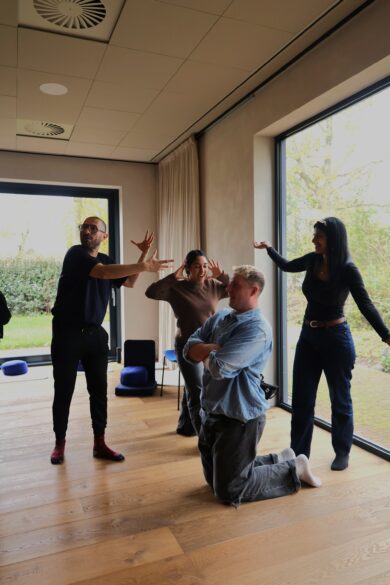
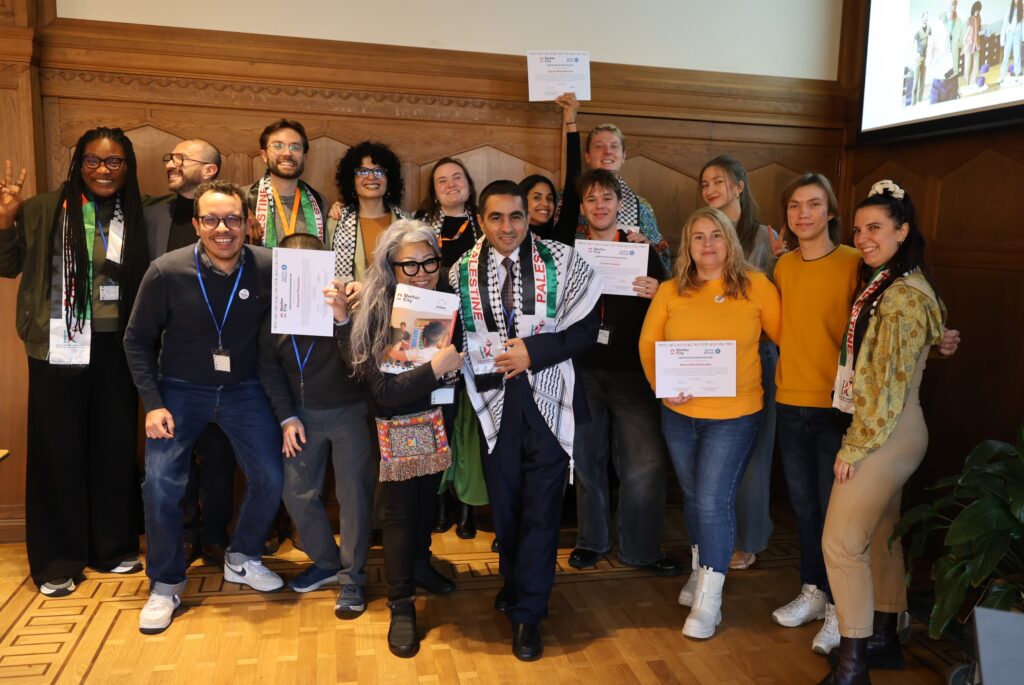
This understanding shaped our recent Knowledge Exchange Retreat with human rights defenders through the Shelter City network. Held from 20 to 25 October, in The Hague and Zeeland, a restorative environment closely connected to the programme, the retreat brought together defenders to rest, reflect, and learn alongside one another. It was the first time that Shelter City Netherlands brought together multiple strands into one integrated retreat: collective care, knowledge exchange, holistic security, feminist perspectives on protection and strategic skill-building. Rather than treating wellbeing as an individual concern, the programme introduced a broader focus on collective practices of care, in resonance with the orientation of the Barcelona Guidelines.
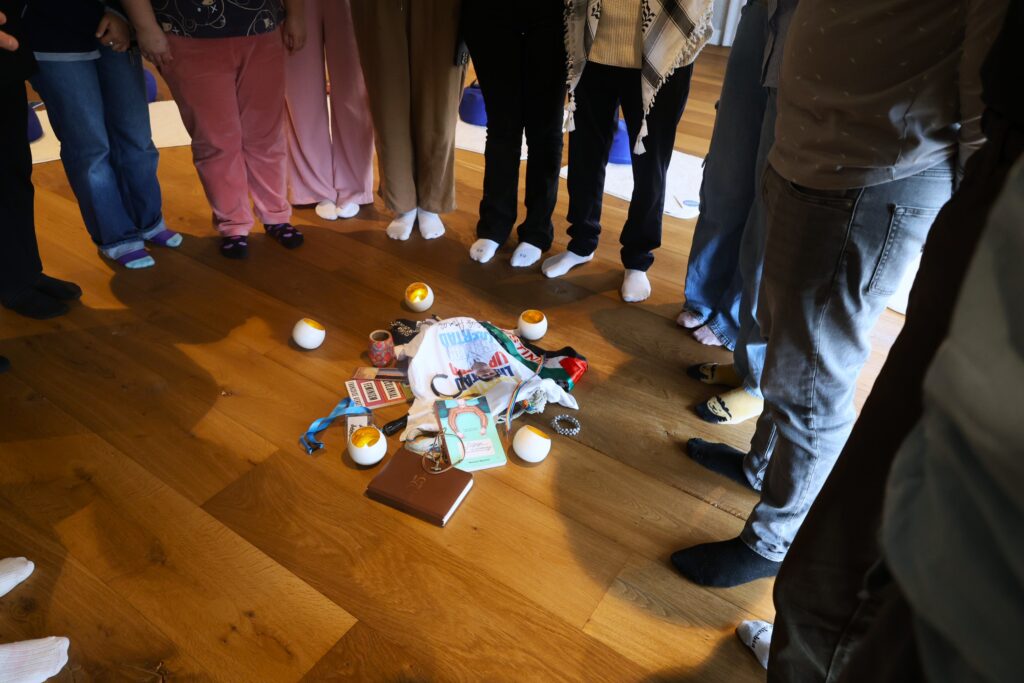
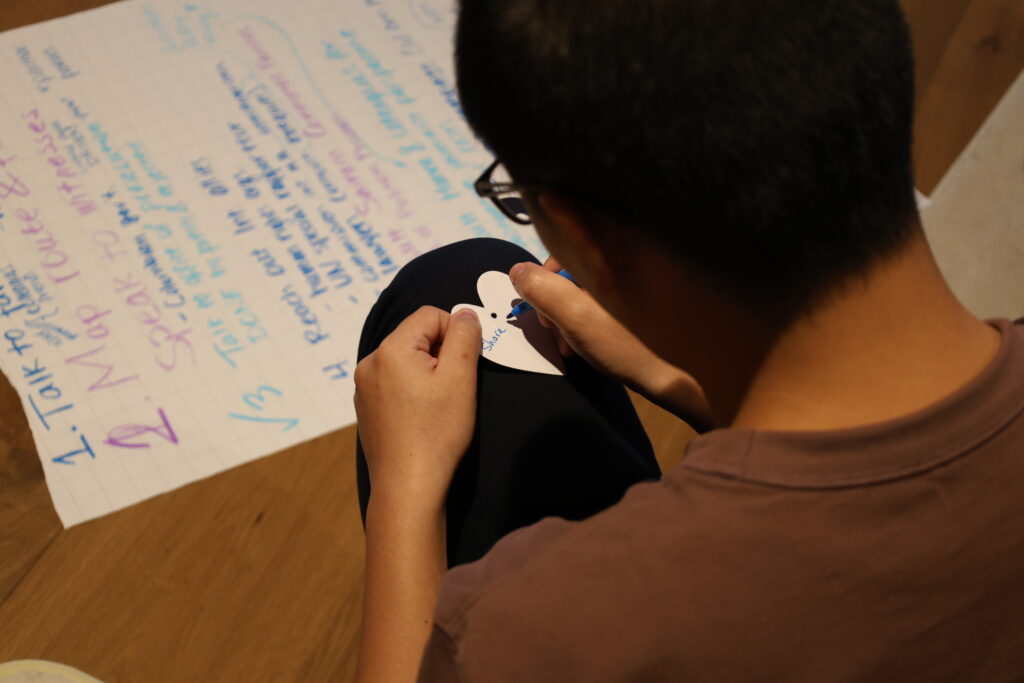
This evolution did not emerge from nowhere. Justice & Peace has worked with participatory and co-creative approaches for more than a decade, and the retreat built on that foundation. A preparatory session earlier in October invited participants to co-design a shared platform for exchange. During the retreat, this groundwork developed into sessions that defenders helped shape and lead, drawing on metaphors of weaving and pollination that emerged organically from the group. This process represented a deepening of long-standing organizational commitments to holistic accompaniment.
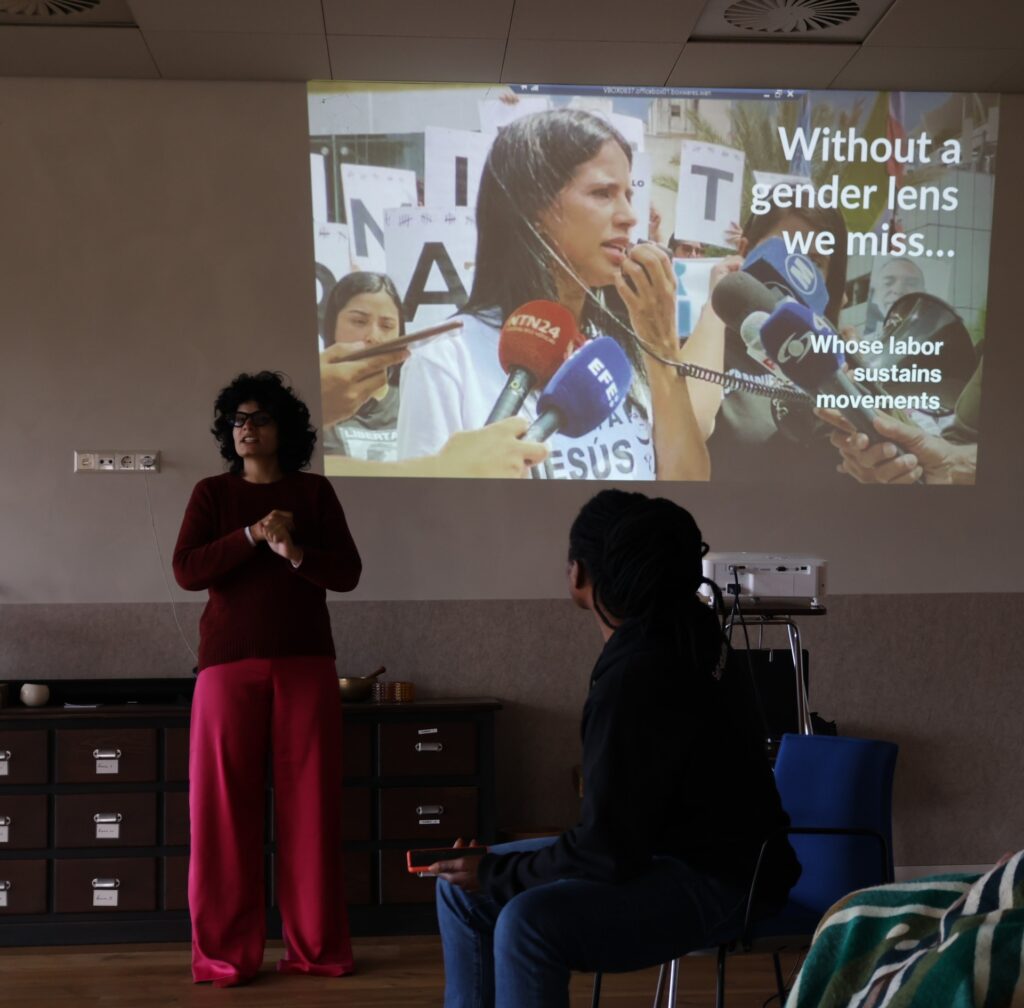
Crucially, the Justice & Peace staff joined the process not only as facilitators but also as participants, recognizing that accompaniment is shaped by shared political landscapes and ethical responsibilities. This reflects the organization’s commitment to working as a partner within a broader ecosystem that supports human rights defenders globally. The programme did not “build capacity” in the conventional sense. It enabled co-created understanding, a shared intelligence grounded in lived experience, diverse strategies of survival, and the practical wisdom that emerges only through community.
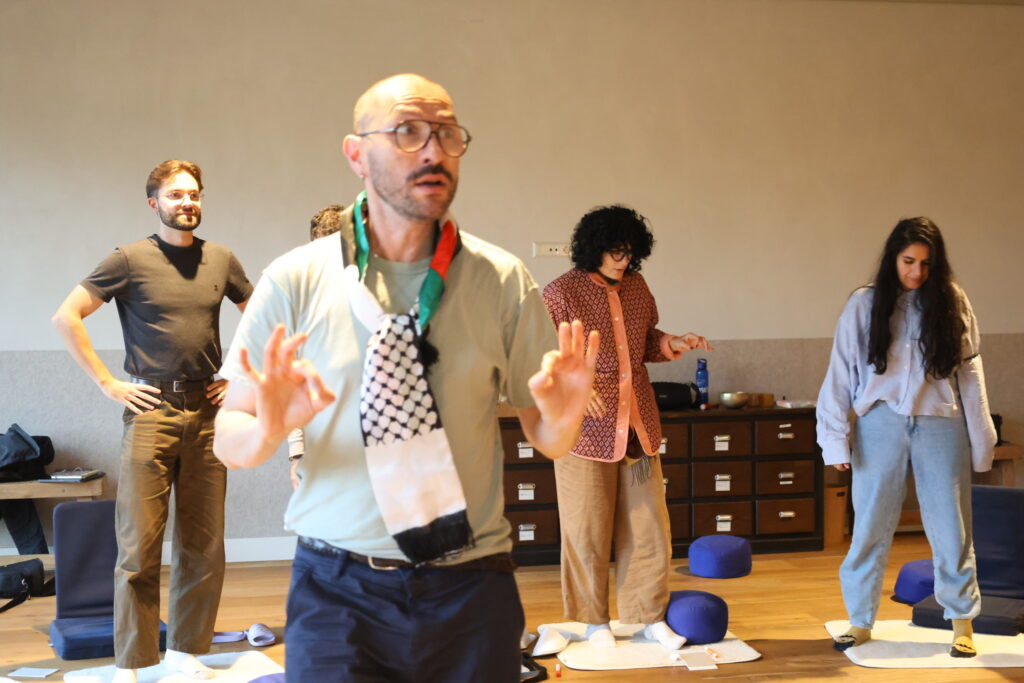
For partners and donors, the implications are clear: effective protection is relational. When defenders learn together, they also cultivate trust. And trust, especially across borders, has become one of the most durable forms of safety available in a world where civic space continues to contract. The retreat generated insights which will guide future editions in the Netherlands and elsewhere and shaped the network’s strategy for the coming year. The approach is explained in detail through the link.
In 2012, Justice & Peace founded Shelter City as a concrete and accessible way to support human rights defenders at risk globally. Shelter City provides human rights defenders at risk with a temporary safe space where they are safe, can rely on solidarity, and receive support tailored to their needs. This enables them to re-energize, engage with allies, enhance their skills and knowledge, and strengthen their resilience.
A way forward
The retreat demonstrated that protection, when understood relationally, generates forms of clarity and resilience that no single training or tool can produce on its own. Critical questions remain open: How can emotional and relational labour be distributed more equitably within movements and hosting programmes? How can a sense of belonging and recognition be protected across mobility and return?
These are operational questions, but also political ones, inviting continued dialogue with defenders, Shelter Cities, and practitioners working at the intersection of protection and collective wellbeing. What emerged in Zeeland was a renewed understanding of the political and human foundations of safety: memory as a means of orientation, the body as a source of knowledge, learning as a co-created process, and care as an organizing principle for sustainable movements.
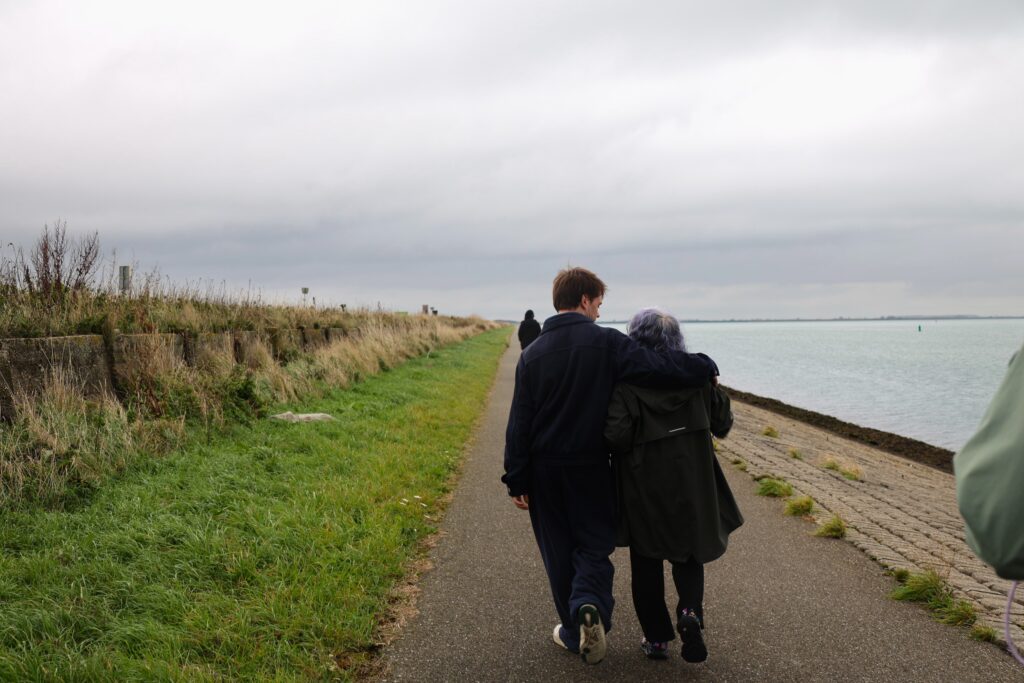
These insights now form part of a broader journey. Justice & Peace will continue to strengthen the conditions that make collective practices possible: fostering cross-regional mobility, supporting alumni networks, and working alongside defenders as partners rather than as providers. The Shelter City network offers a unique space for this work to deepen, especially as global civic space continues to shrink and defenders face increasing pressure.
Sustaining that work, patiently, collectively, and with care at the centre, is what will allow human rights movements to endure and remain alive, connected and capable of shaping the futures they imagine. As one participant reminded us:
“Pollination and weaving are constant work.”
This work builds on knowledge already present in movements globally and draws on the following frameworks:
- Human Rights Defender Hub (2019). The Barcelona Guidelines on Wellbeing and Temporary International Relocation of Human Rights Defenders. University of York.
- Lugones, M. (2010). Toward a decolonial feminism. Hypatia, 25(4), 742–759.
- Martín-Baró, I. (1994). Writings for a liberation psychology (A. Aron & S. Corne, Eds.). Harvard University Press.
- Tronto, J. C. (1993). Moral boundaries: A political argument for an ethic of care. Routledge.
- Boal, A. (1979). Theatre of the Oppressed. Pluto Press.
*Some of these reflections on activist care have also appeared in public writing by members of the team, contributing to a broader conversation on the role of care in sustaining movements.