


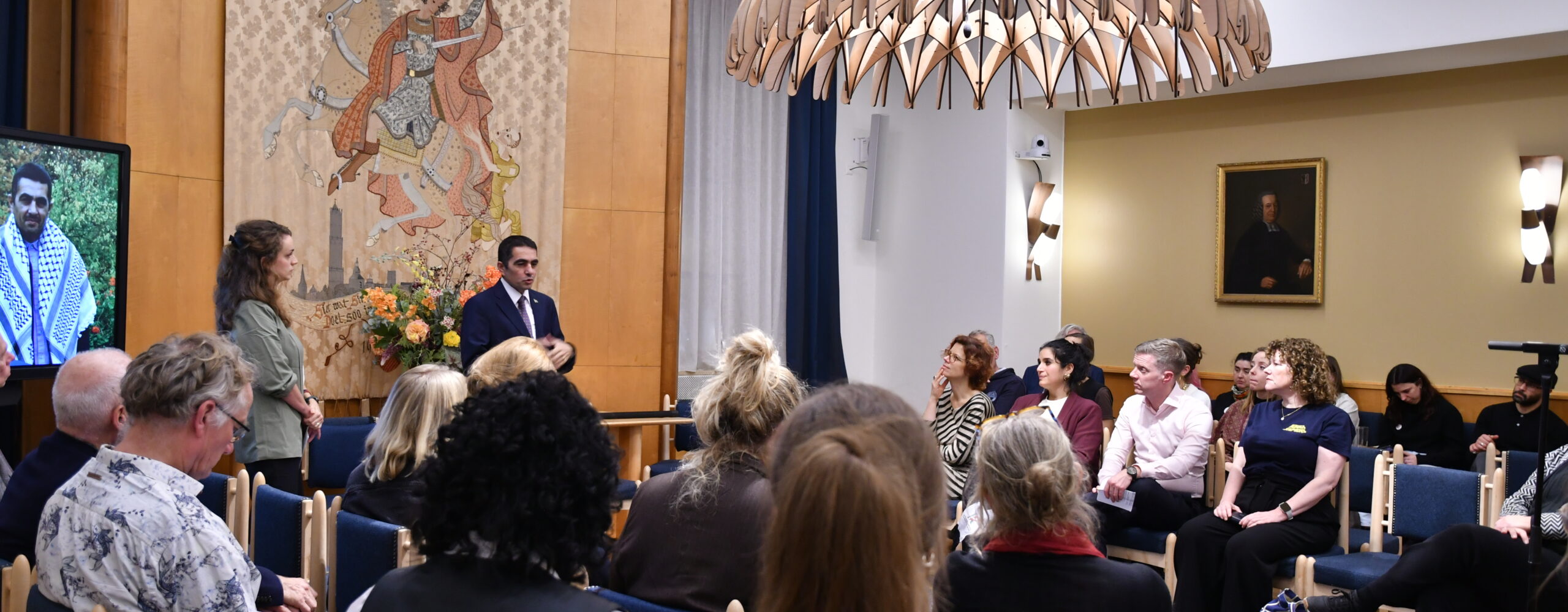
Justice & Peace celebrates ten years of Shelter City: Dutch cities offer protection to human rights defenders
As journalists around the world face increasing pressure, climate activists are taken to court, and civic space continues to shrink, Dutch cities such as Utrecht, Maastricht, and Nijmegen offer a powerful counter-voice. For more than ten years, they have committed themselves to protecting human rights defenders through the international Shelter City programme.
What began in 2012 as a pioneering initiative has grown into a national and global network of cities standing up for human rights defenders. Dutch municipalities, civil society organisations, universities, and local communities work together to offer defenders at risk – including lawyers, journalists, and those advocating for the rights of Indigenous and LGBTIQ+ communities, women, or the climate – a temporary safe haven of three months. During this period, they can rest, recover, reflect, and plan strategically, while continuing their work, before returning safely to their home countries.
This month, Maastricht (3 December) and Utrecht (8 December) celebrate their anniversaries as Shelter Cities. Earlier this year, Nijmegen also marked its ten-year milestone. These anniversaries highlight how a local initiative has developed into a sustainable, widely supported programme that provides dozens of human rights defenders each year with safety, recognition, and new opportunities.
“Flexible visa arrangements, a strong alumni network, digital security, regional cooperation, and long-term protection: thanks to the unique collaboration within Shelter City, I am confident that the programme will continue to grow and evolve in the years to come,” said human rights ambassador Wim Geerts during the celebration of ten years of Shelter City Nijmegen.
Shelter City is not symbolic – it is concrete action. The network demonstrates that international human rights protection is not an abstract concept that exists only at the global level, but something that comes to life in city halls, community centres, and neighbourhoods.
Human rights defenders themselves underline how exceptional this model is:
“When I arrived in March, everything was still bare. There were dead trees everywhere, but slowly you could see the green returning. It was like my life: there was hope again, and I saw myself growing together with the seasons in Nijmegen. I met wonderful people, kind people, an amazing team. Whoever came up with Shelter City was truly inspired from above.”
– Henry, Shelter City Nijmegen guest
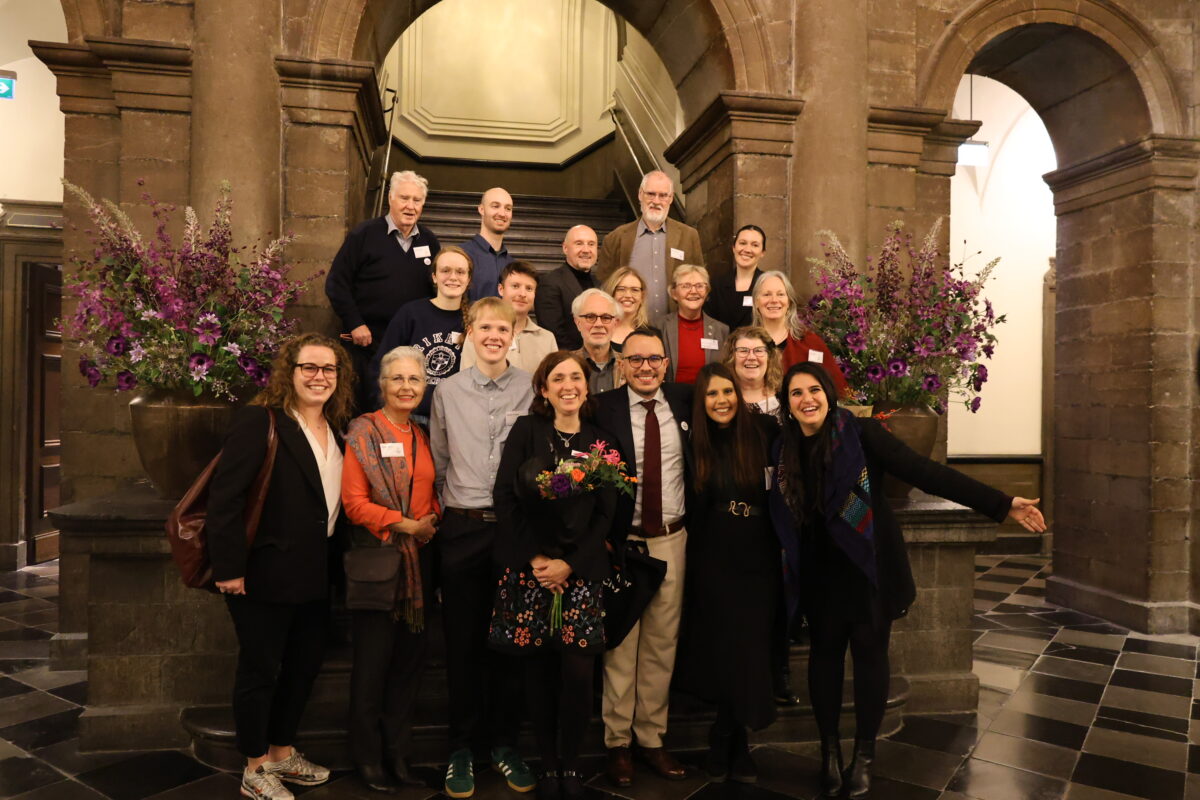
Shelter City Maastricht
The anniversary year also highlights the growth of strong local networks. Volunteers, cultural institutions, youth organisations, and civil society partners work closely together to offer human rights defenders safety, visibility, and meaningful connections.
“Around the world, cities, universities, civil society organisations, and human rights defenders are working together to respond to the shrinking of civic space. By making global solidarity tangible through Shelter City, space is created for everyone to contribute,” says Maral Khajeh, Shelter City coordinator at Justice & Peace Netherlands.